
Viewing a house? Ask the questions that will matter after you move in
Look beyond the kitchen colour. Check how daily life would work, which documents to request and what needs a second look.
Place Keys · 10 September 2026 · 4 min read

It is easy to leave a house viewing remembering the kitchen colour and forgetting to ask where the washing machine goes. A useful viewing is a small investigation into an ordinary day: leaving for work, bringing shopping home, finding a quiet corner and getting everyone ready in the morning.
Before you go, write down three things the home must do for you and three things you would like. Keep the lists separate. An attractive finish should not quietly replace a requirement you knew mattered before you walked through the door.
Walk through the day, room by room
Start at the entrance. Think about shoes, coats, a buggy or bicycle, and bags arriving with the shopping. Check the route to the kitchen and how doors open into the available space. Ask permission before opening storage or taking photographs.
In each bedroom, consider the furniture you would use rather than counting the furniture already there. A bed that fits with no wardrobe may not make a workable bedroom for you. Bring the measurements of one or two large items you would want to keep, plus a tape measure if the agent is happy for you to use it.
In a flat, include the communal route in the viewing. Notice stairs, lifts, bin storage and how deliveries reach the front door. If step-free access matters, check the whole route rather than assuming a lift resolves every change in level.
Ask what you are buying and what it costs to run
Ask whether the home is freehold or leasehold, what is included and whether there are ongoing charges. For leasehold, request the remaining lease term, current charges and information about planned major works. Pass the documents to your conveyancer; a verbal answer at a viewing is a starting point for verification.
The government's buying guide for England and Wales explains the different roles of the agent, conveyancer, surveyor and lender. Keep those roles distinct when deciding who should answer a question.
Request the EPC and ask about heating controls, insulation and any work since the assessment. The certificate is useful context, but its modelled costs are not a quotation for your household's bills.
Turn observations into questions
Note staining, cracking, strong smells, damaged finishes or windows that appear difficult to operate. Ask what is known about them and whether there are reports or repair records. Do not diagnose a structural problem from one mark, and do not accept fresh paint as proof that a previous problem has been resolved.
A viewing does not replace an appropriate survey. Ask a surveyor which service suits the property's age, condition and the changes you are considering. Tell them about any concern you noticed so it is not lost between the viewing and the instruction.
Give the street its own appointment
After leaving, walk the route to the bus stop, station or local shop you expect to use. Notice crossings, gradients and lighting. If possible, return at a time that resembles your normal routine. A quiet weekday afternoon tells you little about school-time parking or a weekend evening.
Use the Place Keys area guides to structure your local research, then verify the routes and services that would matter to your household. An address can suit one commute and make another awkward.
Write the unanswered questions before discussing an offer
For the stages beyond a viewing, the GOV.UK buying overview places searches and surveys in the wider purchase process. Keep time and money aside for those checks when considering a home.
Make three notes immediately: what worked, what did not and what needs evidence. If two people viewed, compare notes before one person's enthusiasm becomes the shared memory.
Ask about the seller's position and likely timing, without treating an estimate as a promise. A second viewing with a focused list is often more useful than another broad look around. The goal is enough understanding to decide what to investigate next, rather than pressure to decide everything at the front door.
Keep your next move together.
Save reports and mortgage estimates to your account as you explore Place Keys.
Free to join. You choose which alerts to receive.
Sources & updates
Check the linked provider for current prices, opening times and services. Found something that needs changing? Tell Place Keys.
Your next good read.
Living in Chipping Norton: small town, big diary
A theatre, a lido and a market worth making time for. Get to know Chipping Norton, then check the house prices and journeys that would shape your everyday life.
Read the story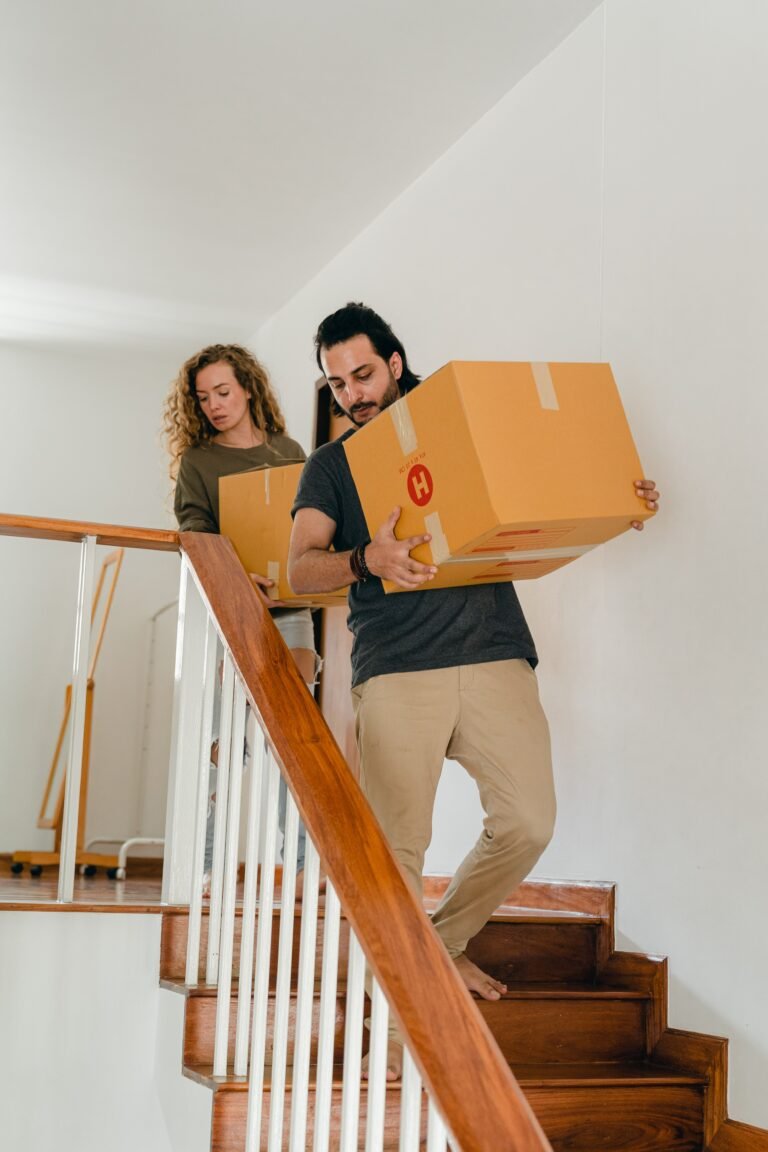
Moving house: the checklist to finish before the van arrives
Access, boxes, address changes and the first-night essentials. A practical sequence for a more organised move.
Read the story
Buying a home: what will the survey, solicitor and stamp duty actually cost?
The deposit is only the start. Put conveyancing, surveys, property tax and moving costs into one clear budget before deciding what you can offer.
Read the story