
How to prepare your house for sale without spending on the wrong things
A room-by-room reset, the paperwork to gather and the jobs worth tackling before photographs and viewings.
Place Keys · 10 September 2026 · 3 min read
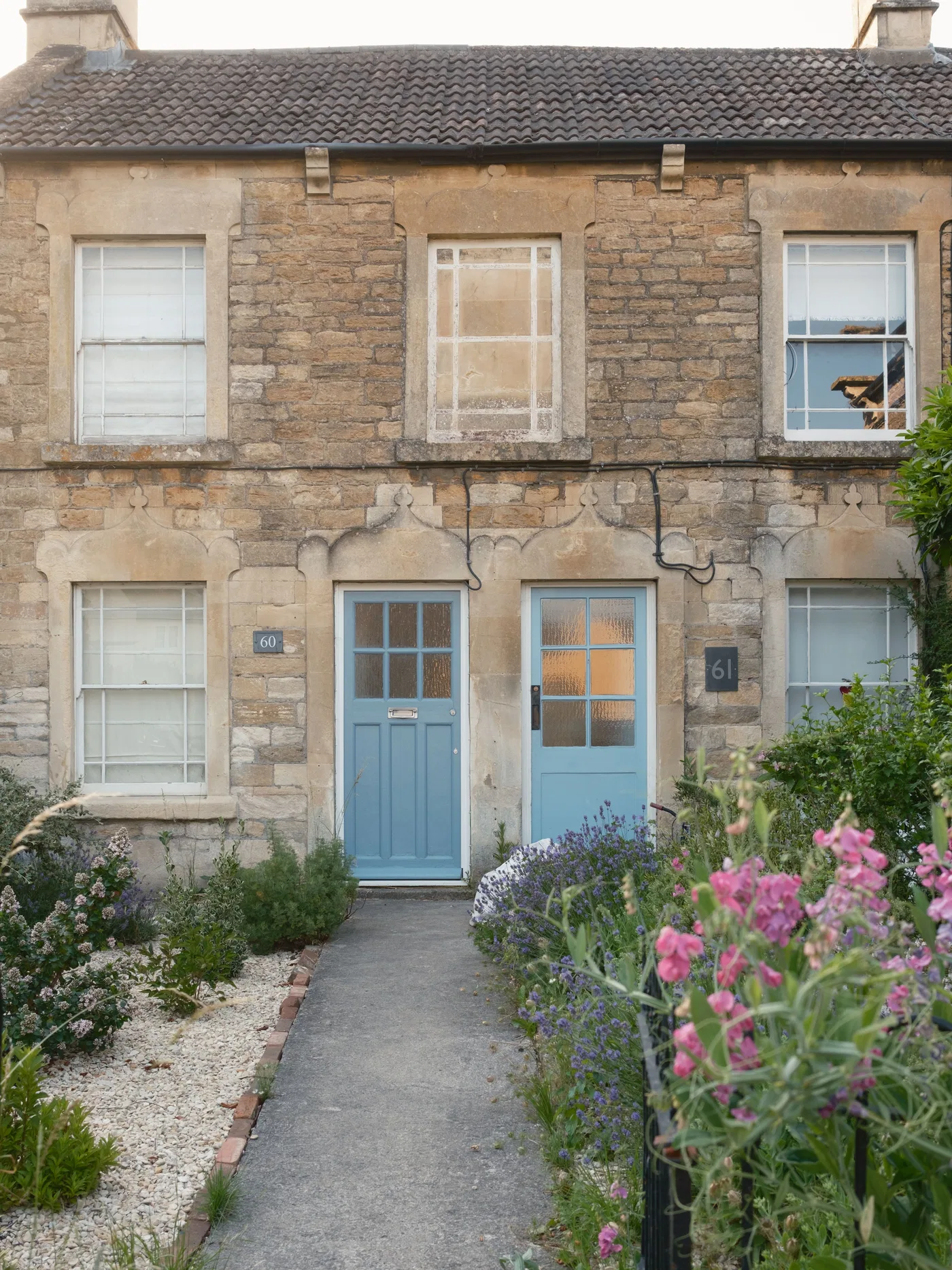
The first job when you decide to sell is to walk through your home as though you have never seen it before. Where would a visitor put a coat? Can they get around the dining table? Does the spare bedroom look like a bedroom, or a place where decisions have been postponed?
A useful preparation plan has three parts: make the rooms easy to understand, deal honestly with problems and assemble the information that will help the sale progress. You do not need to turn a lived-in home into a showroom.
Start with a short list, not a renovation
Take a few ordinary photographs of the entrance, kitchen, living room and main bedroom. Look at them on a larger screen. A crowded worktop or furniture blocking a doorway is often more obvious in a photograph than when you pass it every day.
Write down five changes you can make using what you already own. Clear a route through each room, put away excess toiletries, gather loose cables, clean the windows you can safely reach and give paperwork a proper home. Leave enough furniture to show how the space works.
Before paying for a replacement kitchen or bathroom, ask local agents what buyers in your price bracket actually expect. An improvement you would enjoy is not automatically one that will repay its cost when you sell.
Fix small faults and explain bigger ones
A loose cupboard handle or unfinished patch of decorating belongs on the practical list. Damp, persistent leaks and electrical concerns need the appropriate professional, rather than a cosmetic cover-up. Keep the diagnosis, quotation or record of work so you can explain what happened.
The government's home-selling guide for England and Wales recommends getting the property and paperwork ready early and being open about relevant issues. Tell your agent and conveyancer what you know; ask them how it should be recorded and communicated.
Make a folder for the sale
The GOV.UK selling overview also sets out the wider sequence, from checking your mortgage position and choosing a conveyancer to completion. Get those practical arrangements moving alongside the tidying.
Gather the documents you already hold: records of alterations, permissions and completion certificates, relevant guarantees, servicing information and details of anything that will remain in the property. For a leasehold home, ask your conveyancer which lease, charges and management documents they need.
Check the property's Energy Performance Certificate. GOV.UK says an EPC normally lasts ten years and must be ordered before marketing where required. Check whether your existing certificate is valid and whether an exemption applies; do not assume age or appearance makes a home exempt.
Use a simple folder structure: “already have”, “requested” and “questions”. That is more useful than a large unsorted email chain. Confirm current requirements with your conveyancer, particularly if you have not sold a home for several years. Selling procedures differ across the UK.
Prepare for photographs and ordinary viewings
Agree the rooms, garden and access arrangements with the photographer. Put personal documents, medication and valuables away. Remove the items you would not want displayed in an online listing, including a calendar showing when the house will be empty.
For viewings, create a ten-minute reset: surfaces clear, beds made, bins emptied and lights working. Keep a small basket for everyday items that need putting away quickly. Decide in advance what happens with pets and how the agent will contact you about appointments.
Decide what is leaving before moving day
Mark furniture as “taking”, “selling” or “undecided”. Check whether anything is being included in the property sale before arranging a separate buyer. Our guide to selling furniture before a move explains the measurements and collection details to prepare.
The aim is a home buyers can assess clearly, with a seller who can answer questions. Finish the manageable jobs, keep the information together and agree the next steps with the people handling your sale.
Keep your next move together.
Save reports and mortgage estimates to your account as you explore Place Keys.
Free to join. You choose which alerts to receive.
Sources & updates
Check the linked provider for current prices, opening times and services. Found something that needs changing? Tell Place Keys.
Your next good read.
Moving house: the checklist to finish before the van arrives
Access, boxes, address changes and the first-night essentials. A practical sequence for a more organised move.
Read the storyLiving in Chipping Norton: small town, big diary
A theatre, a lido and a market worth making time for. Get to know Chipping Norton, then check the house prices and journeys that would shape your everyday life.
Read the story
Buying a home: what will the survey, solicitor and stamp duty actually cost?
The deposit is only the start. Put conveyancing, surveys, property tax and moving costs into one clear budget before deciding what you can offer.
Read the story